Web accessibility advocacy and litigation: 2008-2013
최종 수정일: 5월 8일
Starting 2008, the Clinic (then named Global Legal Clinic - but the name was not publicized widely in the early nurturing years) conducted an advocacy campaign to enhance the web accessibility for the visually impaired. The visually impaired use "screen readers", the software that reads HTML codes for the users to hear real-time, and international standards have been developed on how online contents can be coded to be conducive to the screen reading so that online contents can be accessed by the visually impaired as well as the non-impaired. For instance, all image elements must be accompanied by Alt Texts which can be read by screen readers. South Korea has passed the Anti-Disability-Discrimination Act (ADDA) which not only requires equal access but also reasonable accommodation in provision of services and goods. Given the marginal cost of access-friendly coding balanced against the benefit of the visually impaired's access, it is clear that the website publishers' failure to provide online contents conducive to "screen reading" is likely to constitute infringement of ADDA.
The Clinic evaluated the websites of public agencies against Korea Web Contents Accessibility Guideline (KWCAG) and sent them each a letter advising how to make their websites accessible to the visually impaired. Many of the agencies improved their accessibility accordingly.
The Clinic also researched and published a law review article comparing the web accessibility jurisprudence of US, UK, Australia, and South Korea. The authors were Professor KS Park, students Khayeun KIM, Songhee YANG, Pilkyu CHAE, Sunghoon KIM.
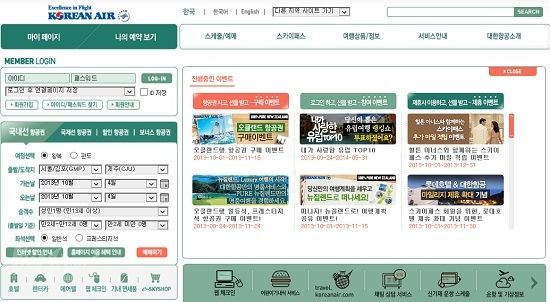
In 2012, the campaign continued into a suit against Korean Air that settled in 2013 by to meet the KWCAG guideline.